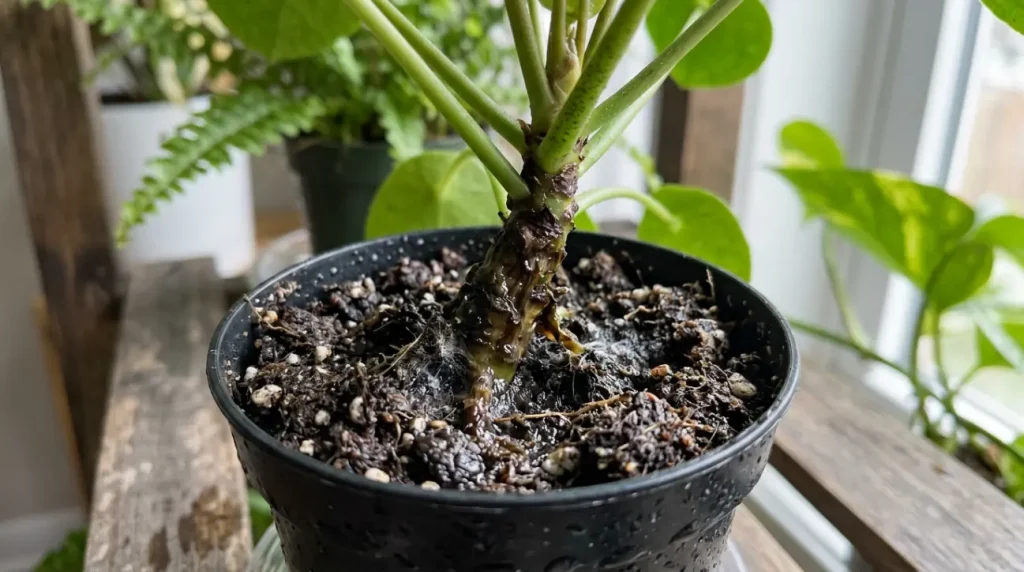
Discovering why is my indoor plant stem mushy is the ultimate structural emergency for any indoor houseplant owner. Finding a soft, squishy, or compromised stalk near the soil line signals an advanced biological breakdown. Unlike underwatered foliage that simply wilts due to temporary moisture loss, a mushy stem indicates that internal cell walls are actively dissolving, completely blocking water and nutrients from moving between the root system and upper leaves.
When indoor greenery develops soft spots, immediate intervention is required. Learning why is my indoor plant stem mushy helps you accurately identify whether the culprit is root suffocation, aggressive fungal decay, stagnant humidity, or a bacterial infection. By understanding the underlying mechanics of tissue rot, you can perform emergency surgery and save your plant before total structural collapse occurs.
Technical Specifications: At a Glance
| Feature | Detailed Diagnostic Breakdown |
| Primary Condition | Vascular Tissue Collapse & Internal Cellular Necrosis |
| Common Culprits | Chronic Overwatering, Fungal Pathogens, Stagnant Airflow, Heavy Soil |
| Key Physical Symptoms | Squishy stem base, peeling outer bark, foul rotten soil odor, soft leaves |
| Progression Speed | Rapid (3 to 5 Days to total collapse if untreated) |
| Emergency Treatment | Surgical tissue removal, top cuttings, root pruning, soil aeration, callusing |
The Internal Mechanics of Stem Necrosis
To understand why a houseplant stem loses its firmness, it helps to look at plant cell structure. Healthy stems stay upright due to turgor pressure, which is the fluid pressure exerted by water pushing against rigid plant cell walls.
When pathogens, lack of oxygen, or physical injuries break down these cell walls, the plant undergoes cellular necrosis. Fungal spores or bacterial enzymes break down pectin and cellulose, transforming structural fibers into liquid mush. Once this decay rings (or girdles) the entire diameter of the main trunk, the vascular strands (xylem and phloem) are permanently severed. At this point, no water can travel upward, causing the top of the plant to wilt even while the roots are drowning in wet soil.
5 Primary Causes of a Mushy Indoor Plant Stem
1. Chronic Overwatering and Root Suffocation
Overwatering is the single most common cause of stem rot in houseplants. Plant roots require oxygen exchange just as much as they need liquid water. Saturation from frequent watering routines or pots without functional drainage holes seals off all oxygen pockets in the soil mix.
Denied vital air, the roots suffocate, drown, and begin to decay underground. Once the root system dies, anaerobic fungi thrive in the stagnant moisture, moving directly upward from the dead roots into the main stem base. If left unaddressed, the base darkens completely. For advanced stages of tissue breakdown, check our diagnostic guide on why is my indoor plant stem turning black to recognize vascular rot early.
2. Advanced Fungal Root Rot (Pythium, Phytophthora, & Rhizoctonia)
Drowned root systems invite aggressive soil-borne water molds and fungal pathogens like Pythium, Phytophthora, or Rhizoctonia. These microscopic organisms feed on decaying root membranes before attacking healthy vascular channels.
As the fungal mycelium colonizes the stem, it releases enzymes that break down plant starches, turning sturdy stems into slimy, waterlogged mush. Root rot also impacts upper foliage, causing leaves to curl, yellow, or drop rapidly. If you notice leaf edges curling alongside stem damage, read our detailed article on why are my indoor plant leaves curling for a complete symptom breakdown.
3. High Humidity Combined with Stagnant Air
While tropical plants like Monstera, Pothos, and Calatheas love high air moisture, trapped and motionless air breeds fungal rot from the outside in. Grouping containers too tightly together or misting leaves without proper room ventilation allows water droplets to settle at the nodes where leaves join the main stem.
This trapped water creates localized high-humidity micro-climates directly on the stem surface, allowing airborne fungal spores to germinate and digest the outer protective bark, eventually working their way into the plant’s core.
4. Dense, Soil-Compacted Potting Mixes
Sometimes the problem isn’t how often you water, but how long your soil retains moisture. Standard garden soils or pure peat moss mixes retain water like a heavy sponge. Over time, fine particles pack tightly around the crown of the plant, sealing out fresh air.
Substrates that stay saturated for weeks keep delicate stem tissues continuously damp. This prolonged wet contact softens the stem’s outer cuticle, making it easy for rot to penetrate. Wet, dense soil also attracts subterranean pests. Learn how to get rid of fungus gnats to clear larvae that feed on decaying roots and mushy organic matter.
5. Mechanical Wounds and Bacterial Soft Rot (Erwinia)
Pruning cuts, accidental bends, or damage from sap-sucking insects leave open wounds on stems. If raw tissue comes into contact with unsterilized shears, dirty hands, or splashed potting water, bacterial pathogens like Erwinia can invade internal sap channels.
Bacterial soft rot moves much faster than fungal decay. The bacteria produce pectolytic enzymes that liquefy host cell walls in as little as 24 to 48 hours, causing the stem to ooze a cloudy, foul-smelling liquid. Soft rot can attack soft-stemmed herbs and tropicals rapidly. Compare your symptoms with our guide on indoor basil leaves turning black to spot early bacterial infection.
5 Emergency Steps to Save a Plant with a Mushy Stem
Step 1: Unpot and Evaluate the Root Ball
Slide the plant out of its container and gently wash away old, contaminated soil under lukewarm tap water. Inspect the roots closely. Healthy roots feel firm and appear white or light tan. Rot-damaged roots look black or dark brown, feel mushy, and easily slide off like thin strings when pulled.
Step 2: Cut Away All Rot-Affected Tissue
Sterilize your pruning shears or razor blade with 70% rubbing alcohol. Trim away all decaying, soft roots and squishy stem sections. Make your cuts at least 1 to 2 inches above the visible soft zone into completely clean, firm green wood. If any internal brown vascular discoloration remains in the stem cut, keep cutting higher until only pure green or white tissue shows.
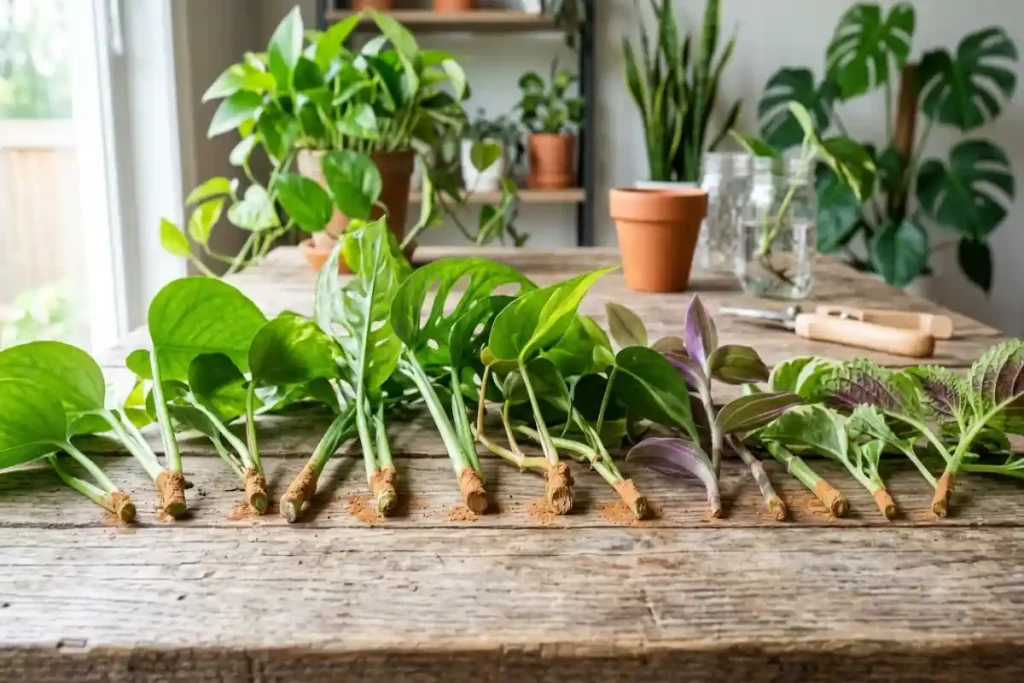
Step 3: Take Emergency Top Cuttings
If the root system and base of the trunk are completely destroyed by rot, saving the original roots is impossible. In this scenario, take top cuttings from firm, healthy upper stems. Ensure each cutting has at least 2 to 3 healthy leaves and 1 to 2 clear leaf nodes.
Step 4: Disinfect and Callus the Cut Ends
Dust the raw cuts with ground cinnamon, activated charcoal, or sulfur powder. Cinnamon acts as a natural, mild antifungal shield that prevents new airborne spores from colonizing open wounds. Place the cuttings in a warm, dry area with good airflow for 24 to 48 hours (or 4 to 7 days for succulents) so the cut tissue forms a dry, hardened callus.
Step 5: Repot into Fresh, Highly Aerated Media
Throw away the old contaminated soil and thoroughly sanitize the old pot with a solution of 1 part bleach to 9 parts water. Plant your salvaged roots or callused cuttings into a fresh, aerated mix:
- 50% Standard indoor potting soil
- 30% Perlite or coarse pumice (for drainage and air pockets)
- 20% Orchid bark or coco chips (to prevent soil compaction)
Place the pot in bright, indirect light and refrain from watering for the first 3 to 5 days to allow roots to settle without stress.
Stem Health Diagnostic & Action Checklist
| Visual Symptom | Primary Root Cause | Immediate Action Needed |
| Squishy soil-level base with rotten odor | Advanced Root Rot / Overwatering | Unpot, cut away rot, repot in fresh airy soil mix |
| Mushy upper stem nodes with fuzzy gray mold | Stagnant air & excessive misting | Improve airflow with a fan; stop overhead misting |
| Soil stays soggy >2 weeks with heavy pot | Dense, compacted soil substrate | Amend mix with 30% perlite and orchid bark |
| Watery, blistered stem oozing amber fluid | Fast-moving Bacterial Soft Rot | Prune infected stems aggressively; sanitize blades |
| Soft, wilting stem after cold draft exposure | Cell wall collapse from frost shock | Relocate to warm room; let plant stabilize before pruning |
Plant-Specific Vulnerability Guide
Different houseplant families respond to overwatering and stem rot in unique ways:
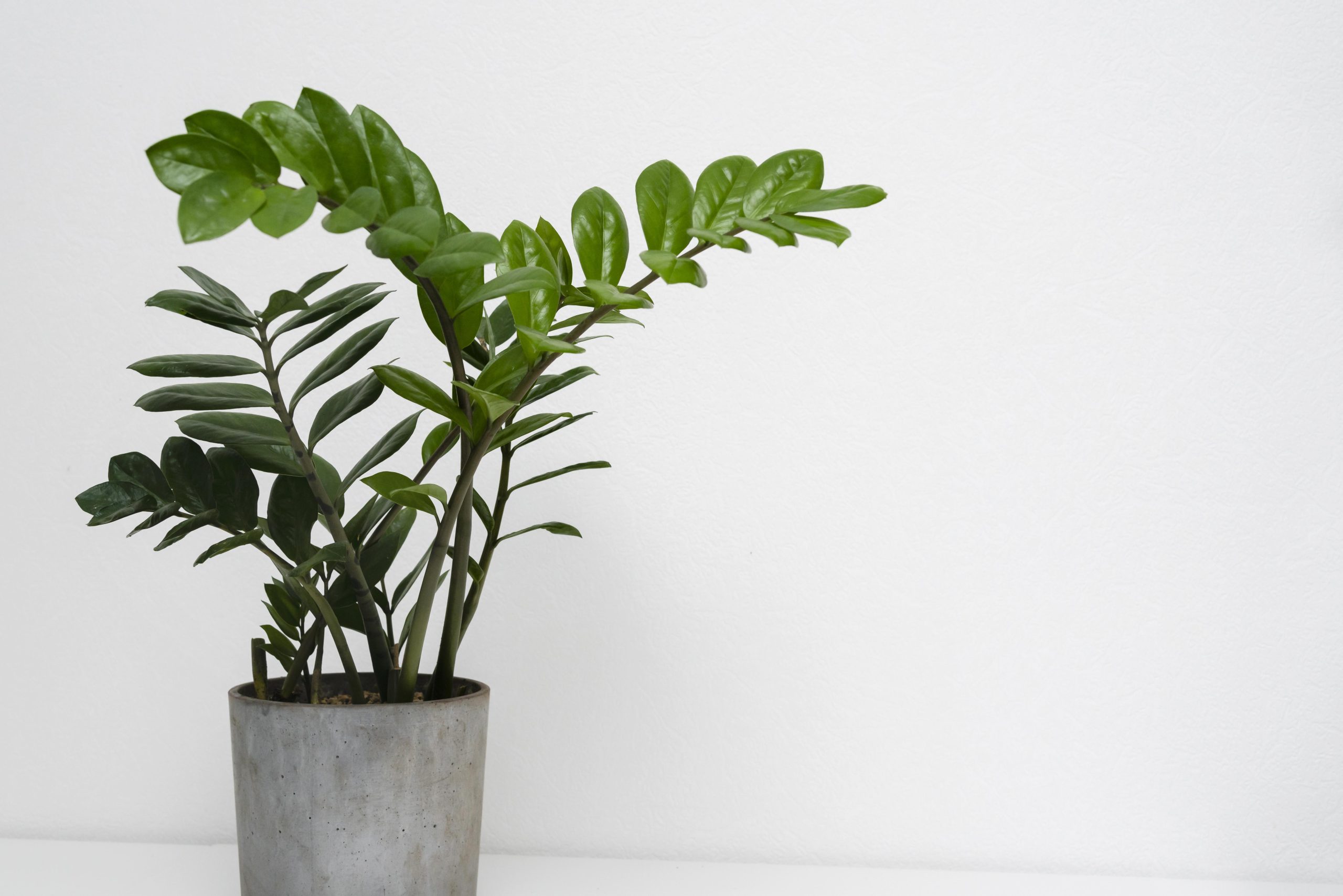
- Succulents & Cacti (e.g., Echeveria, Snake Plants): Stems store vast amounts of water. When rot sets in, stems turn translucent and turn to mush rapidly. They require long callusing periods (up to a week) before repotting.
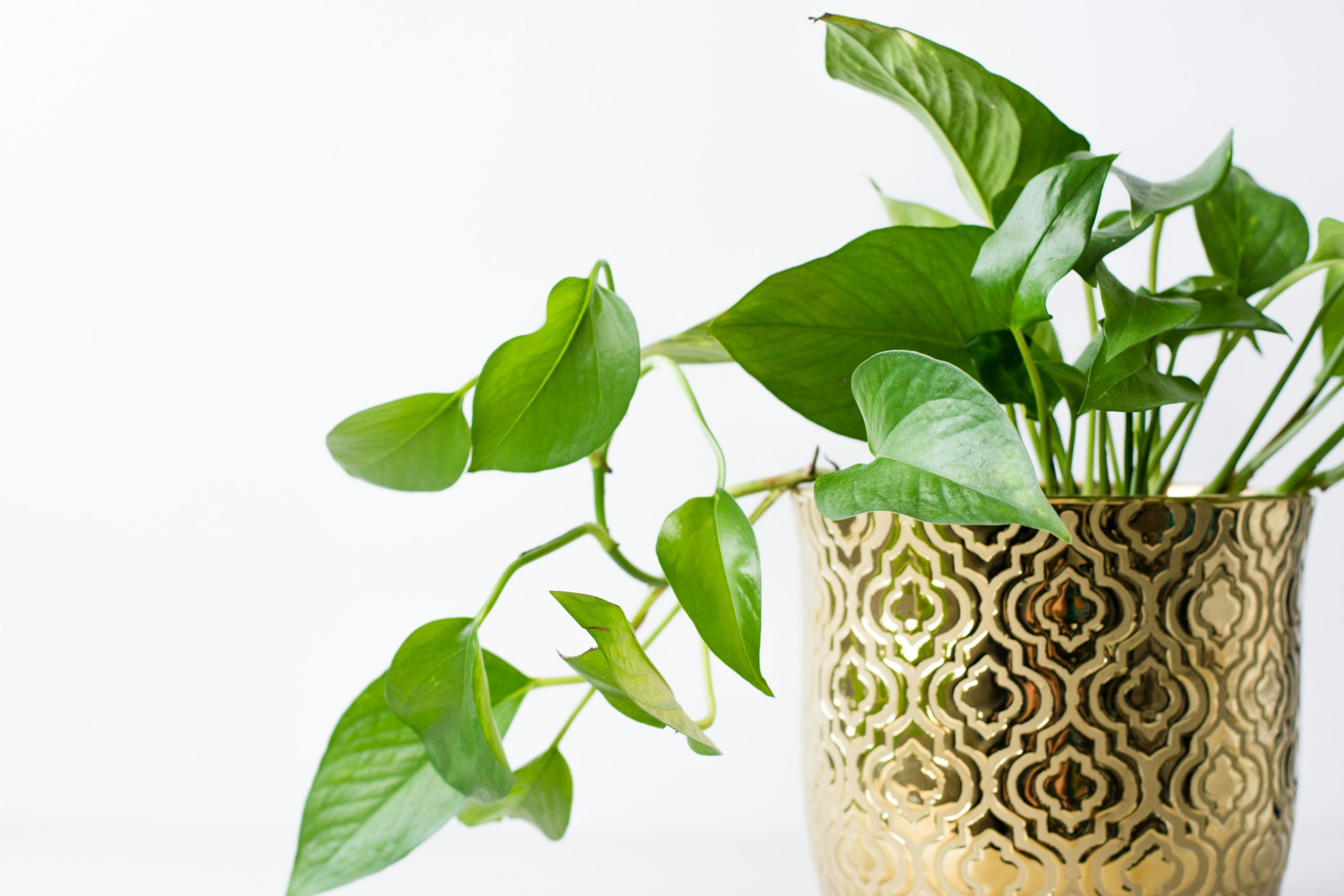
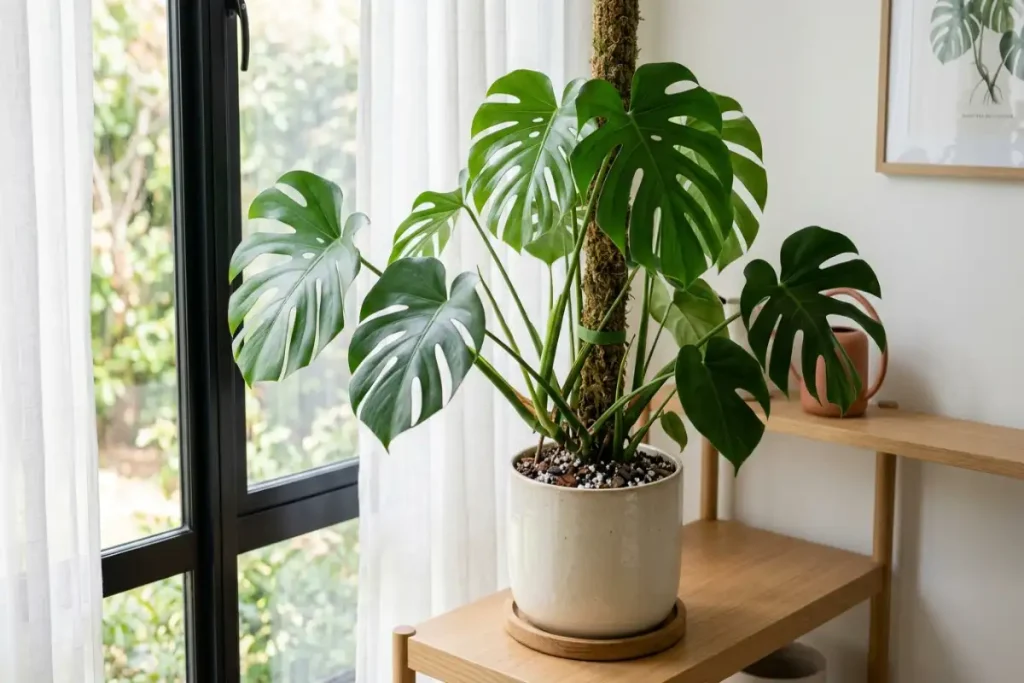
- Aroids (e.g., Monstera, Philodendron, Pothos): Stems are semi-woody or thick. Rot usually travels along one side of the stem sheath. Top cuttings root very easily in water or perlite once the mushy base is removed.
- Foliage Plants (e.g., Calathea, Ferns): Soft stems rot rapidly right at the soil surface. Because they lack woody stems for top cuttings, rescue relies heavily on dividing healthy rhizomes or tubers underground.
Final Thoughts
Understanding why is my indoor plant stem mushy gives you the diagnostic tools needed to save your houseplant before total collapse occurs. Act quickly by evaluating root health, surgically cutting away infected tissue, and allowing healthy stems to callus before repotting. By maintaining a well-draining soil mix, choosing pots with drainage holes, and ensuring good air movement, you can keep your indoor garden upright, firm, and thriving for years to come.
Frequently Asked Questions
1. Will root rot repair itself if I stop watering the plant?
No. Once stem or root tissue turns mushy and rots, that specific tissue is biologically dead and cannot repair itself. Decaying sections must be physically cut away to stop fungal and bacterial pathogens from spreading into healthy parts of the plant.
2. Can I use hydrogen peroxide to treat a squishy plant stem?
A 3% hydrogen peroxide solution (mixed 1 part peroxide to 4 parts water) helps sanitize soil and kill fungal spores during early overwatering, but it cannot repair tissue that has already gone soft and mushy. Physical removal via pruning or taking top cuttings is required.
3. Why does a mushy plant stem produce a terrible smell?
The foul odor is produced by anaerobic bacteria breaking down cell walls, proteins, and starches in oxygen-deprived conditions. As these microorganisms digest organic matter without air, they release smelly gas byproducts like hydrogen sulfide.
4. How can I tell fungal stem rot from a bacterial infection?
Fungal rot typically creates dark brown or black mushy spots that may have fuzzy gray or white mold growing on top. Bacterial soft rot appears water-soaked and blistered, spreads extremely fast (often in 24 to 48 hours), and produces a sharp rotten-vegetable odor.
5. Is a mushy stem on a succulent treated differently than on a tropical plant?
The rescue steps are identical, but succulent cuttings require a much longer callusing time (4 to 7 days) before repotting. Because succulent stems store high amounts of water, planting them before the cut wound is completely sealed will trigger immediate new rot.